What SpoolMath is
SpoolMath is a collection of free 3D printing calculators for the questions makers actually ask:
- How much does this print cost in electricity?
- How much does this print cost in filament?
- How long will this print take?
- If I'm selling this, what should I charge?
Every calculator is entirely client-side — no API calls, no loading spinners, no sign-up. You can use them offline once the page has loaded. Results update as you type. Results are shareable as a URL so you can send a pre-filled calculation to a friend or save it for your own records.
What's in the database right now
Three live data files power the calculators, and we grow them as new printers and filaments come out:
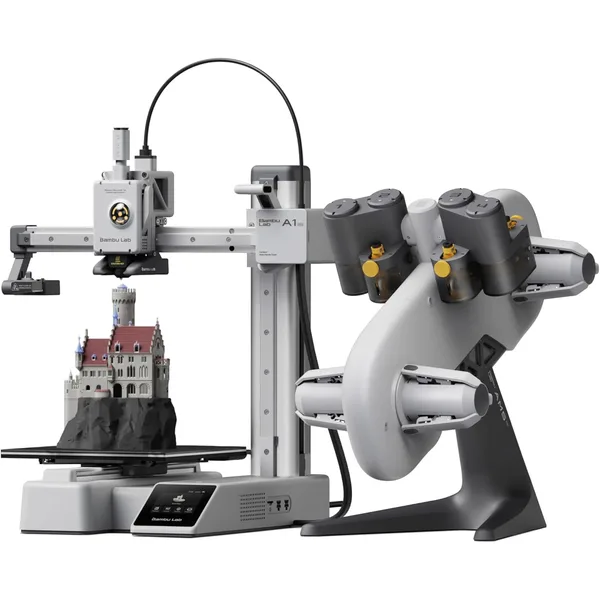
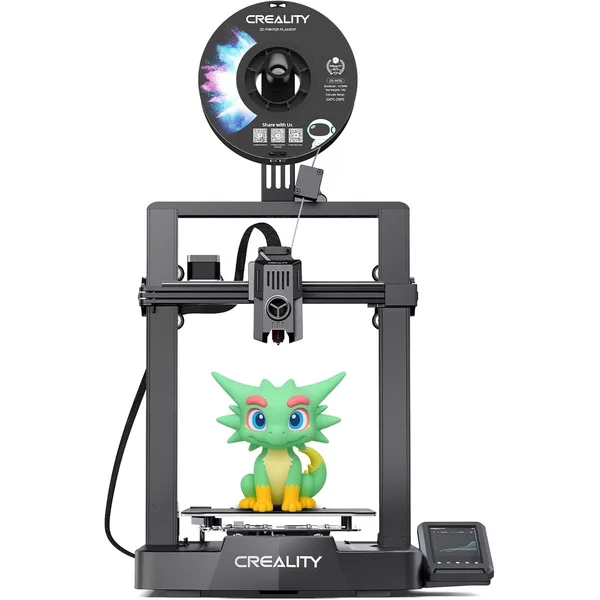
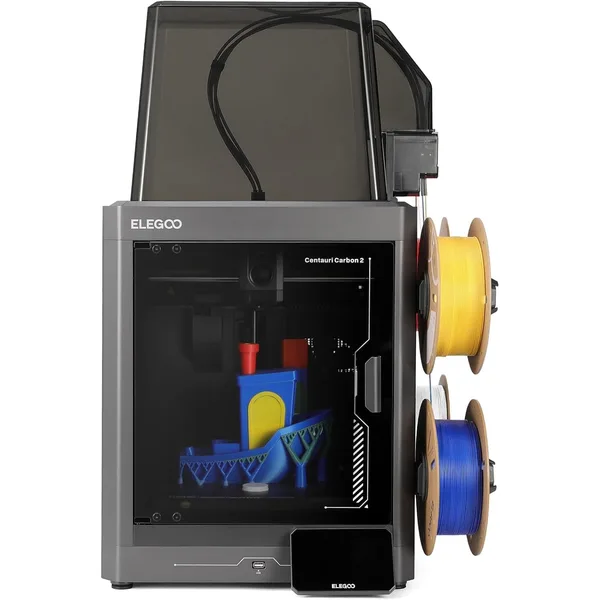
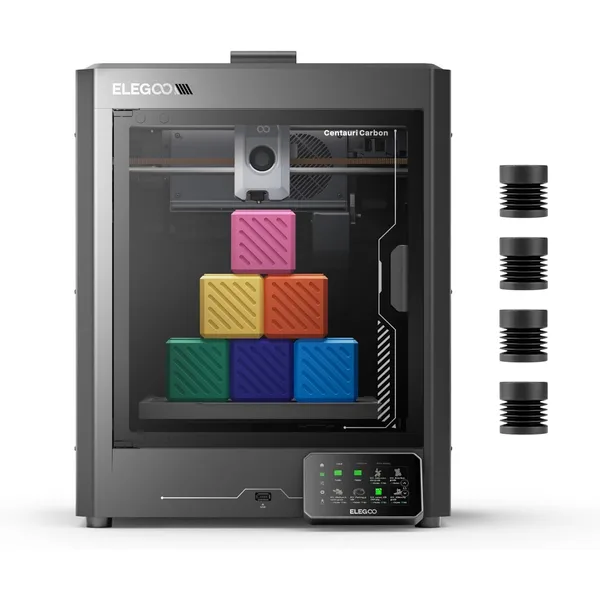
- 20 printer presets across Bambu Lab, Prusa, Creality, Anycubic, Elegoo, and Sovol — each with average wattage, peak wattage, build volume, release year, and MSRP
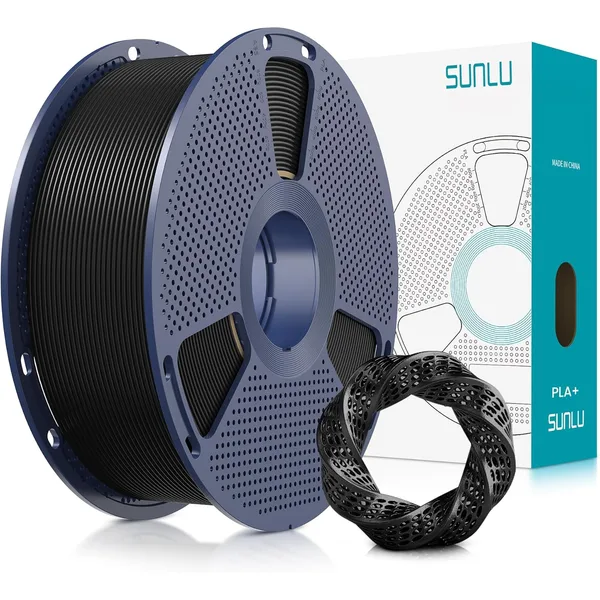
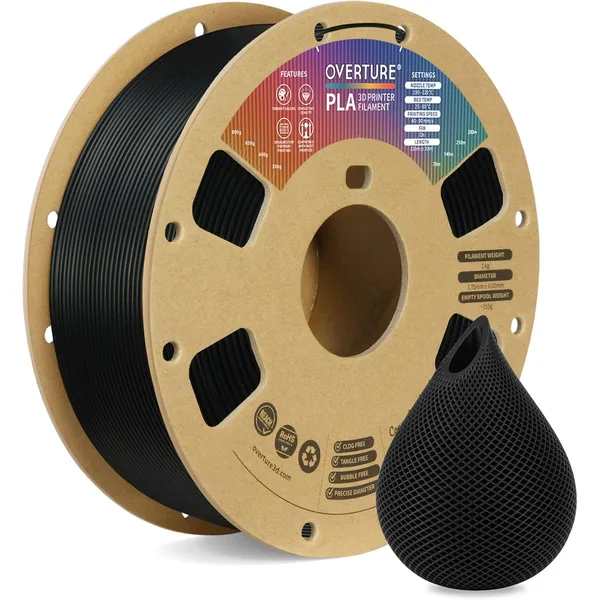
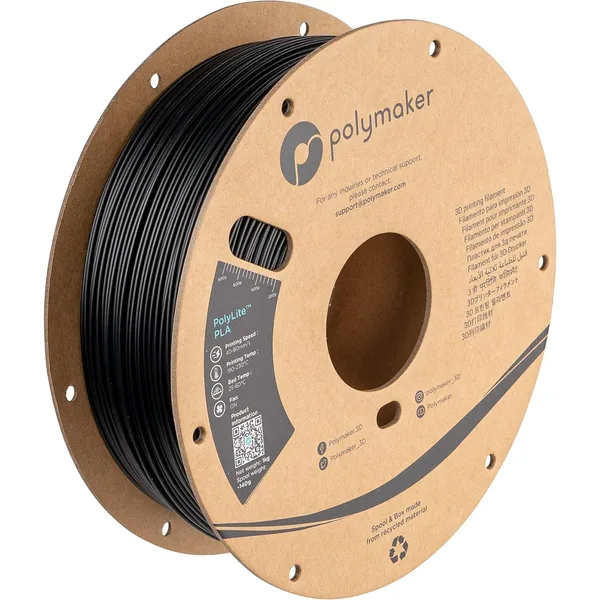
- 32 filament presets across 11 brands (Bambu, Prusament, PolyMaker, Hatchbox, Sunlu, eSUN, MatterHackers, Elegoo, Creality, Overture, +generics) with typical US retail prices
- 20 print time profiles with real-world volumetric flow rates (mm³/s) for every major printer class
Where the numbers come from
Every number in the calculators can be defended. Here's how each data category is sourced and kept current:
Printer wattage
Average wattage figures come from three layers, in order of preference:
- Manufacturer official spec sheets (for nominal + peak)
- Independent smart-plug measurements published by r/3Dprinting, Tom's Hardware, CNC Kitchen, and All3DP during normal PLA prints
- Conservative averages when sources disagree
Each printer entry in the database carries a wattageSource
field — so if you disagree with a number, you can see exactly
where it came from and send us a correction.
Filament prices
Prices are US retail captured in early 2026. They move — a filament that's $19.99 today might be $22.99 or $15.99 in six months. Treat them as sensible defaults, not live data. The custom fields in every calculator let you override to your exact purchase price.
We're planning to add a scraped weekly price feed for the top 10-20 most common filaments in the next few months. Until then, the presets are curated by hand and refreshed quarterly.
Volumetric flow rates
This is the hardest one. "Volumetric flow rate" is the real speed limit on modern 3D printers — how many cubic millimeters of plastic the hotend can physically melt per second. It varies by hotend, nozzle size, material, and even how well-tuned your pressure advance is.
Our profiles come from: official Bambu/Prusa specs, real-world torture tests published on CNC Kitchen's YouTube channel, and community benchmarks on r/3Dprinting and the Voron forums. They reflect what a tuned printer with stock hotend actually hits during PLA prints — not peak spec sheet numbers.
Principles we actually stick to
1. Everything free
No paywalls. No "PRO" tier. No "sign up to save your calculation" wall. The competitors in this space charge $9–$15/month for things we ship free on day one: printer presets, shareable results, Etsy fee breakdowns, machine depreciation math. We think those should be table stakes.
We will eventually run affiliate links on product recommendations (see below), and we may add display ads if the site grows into territory where that's worth it. We will never paywall a calculator.
2. Numbers we can defend
Every wattage, every flow rate, every filament price has a source noted in the underlying data file. If you find one you think is wrong, we'll look at it seriously and update — not because we're trying to be virtuous, but because a tool that gives you the wrong answer is worse than no tool at all.
3. Honest affiliate links
Some pages on SpoolMath include affiliate links to 3D printers,
filaments, and accessories on Amazon, Bambu Lab, Prusa Research,
Creality, Elegoo, and MatterHackers. When you click one and buy
something, we might earn a small commission — at no extra cost to
you. Those links are marked rel="sponsored" per FTC
guidelines, and the products we link to are picked because we'd
actually recommend them, not because of commission rates.
Full details on our affiliate disclosure page.
Who built it
SpoolMath is built by a solo developer with a decade in web engineering and a growing obsession with 3D printing. The site is open source in spirit — every number in the database carries a source, every formula is documented in the companion articles, and the build pipeline is pure Astro + Tailwind + vanilla JavaScript. No hidden backend, no tracking beyond standard privacy- respectful analytics, no dark patterns.
How to give feedback
Found a wrong wattage? Spotted a typo? Want a specific printer or filament added to the database? The fastest path is to open an issue on GitHub — we read every one and source corrections are the easiest kind to merge.